The Sound of Hooves Beating on the Sandy Ground Comes First
Then the breathing, strained and short-winded. Panting. A snort. The white ground splits to allow the emergence of twisted acacias, with their rounded crowns and roots embedded deeply in the earth, and the thorny branches of mesquites
The galloping doesn’t stop. Horseshoes dodge the spherical barrel cacti, whose burnished spiny tips appear here and there along the road. The white flowers of the anacahuita. The roadrunners. The worm lizards. Hadn’t he been told this was a desert? There’s no time to stop and look. From above, the light of an intransigent sun falls on the creosote bush, the coyotillo, the cat’s claw.

And the wind, raising the pinkish, gray, and cinnamon-colored dust of the plain, collides with the prickly pads of the nopal that ascend step by step, toward the sky. The earth crumbles as he passes, and everything around him thirsts for water. His mouth, most of all. His larynx. His stomach. He’s not sure how many hours he’s been mounted on the horse—thighs around the reddish torso, shoulders slumped forward, hands clenching the reins, and shoes crammed into the stirrups—but he’d like to feel he was nearing his destination. He’s been told that there—a day’s ride if he manages to get a change of horse—is where things are really happening. He’s been told that if he wants to see direct action, if he truly wants to change the world, he should head farther north. There, just a stone’s throw from the border, is Estación Camarón.
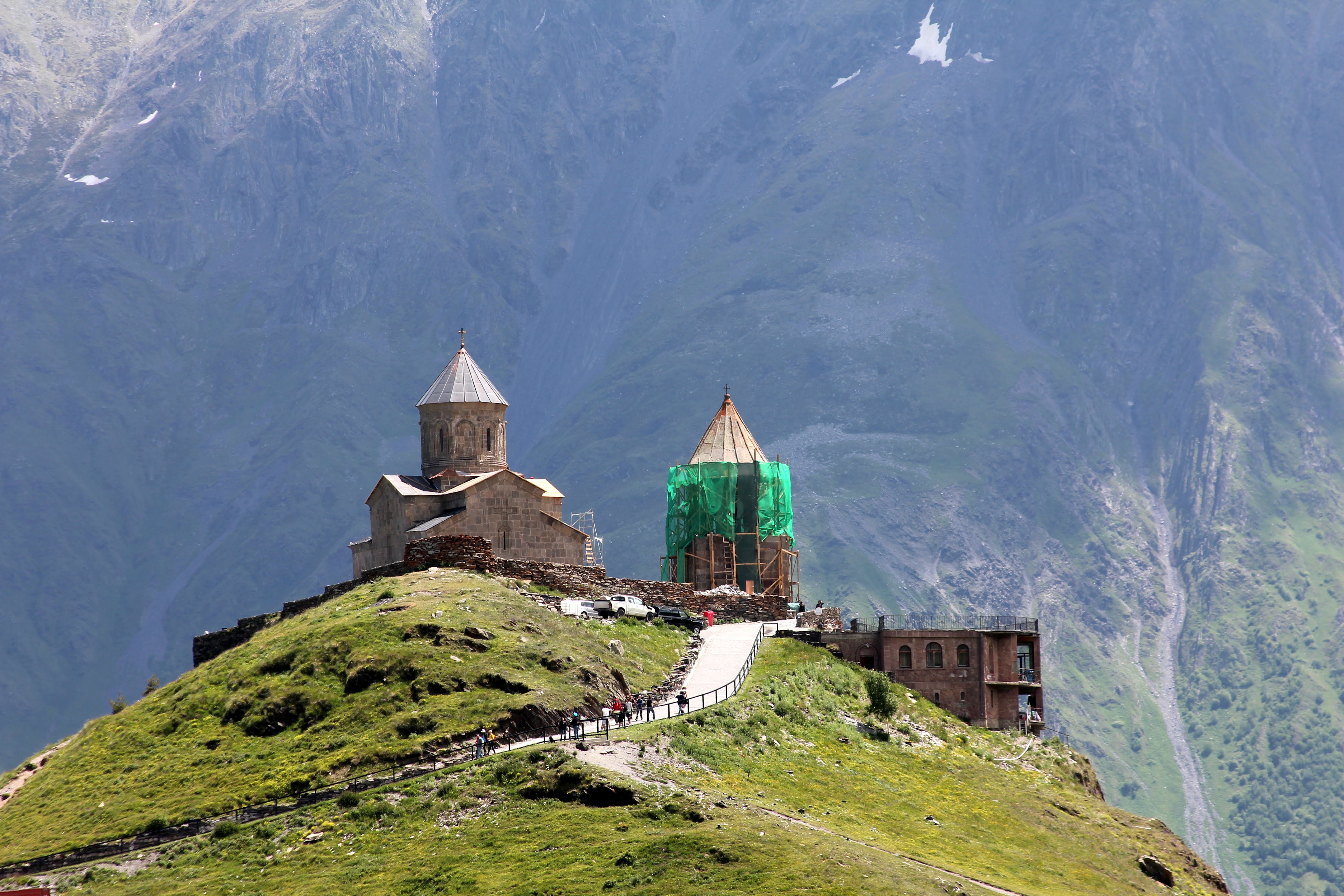
A strike has just broken out there.They are called “stations” because they are transit points, but just as soon as they are erected, people begin to move in. They are rancherias, colonias, settlements that never reach city status but that spring up in the blink of an eye around a crossroads.

First comes the railroad; then, a camp. Later, somewhere to eat. From insignificant points on the map of a steppe with a reputation for being uninhabitable or a desert everyone steers clear of, they become places with names: Estación Rodríguez, for the rancher’s name; Estación Camarón, for the reddish tint left by the waters of a river. Things are born and die several times in unpredictable cycles.
- Keywords:
- protest